ASGCT in Boston was, as always, packed with people, posters, innovations, and insights. It’s an exciting time, and a great opportunity to reconnect with peers and discover great science. Now that the Viralgen team has had a chance to share notes and reflect on this year’s event, a few items and themes stood out.
Reasons for optimism
Despite a not-surprising mood of economic caution, there was enough evidence of both scientific advancement and real-world results to spark a sense of hope for the expanded rollout of cell & gene therapies. Advances in capsid engineering and novel capsid development were particularly exciting, reinforcing the importance of partnerships we’ve established with the Broad Institute and Apertura.
 A focus on rare disease
There was an acknowledgement that many diseases and indications that could benefit from gene therapy aren’t being addressed right now. ASGCT itself talked about this gap, and is acting on it; they announced the launch of CGTxchange, in conjunction with Viralgen partner the Orphan Therapeutics Accelerator, to advance promising rare disease treatments for deprioritized therapies.
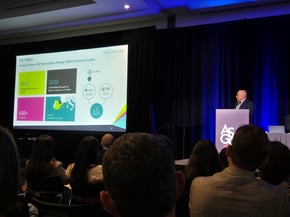
It’s great to see more momentum here; this was in addition to a very well attended symposium Viralgen hosted to shine a light on one of the partnerships already in place to accelerate commercialization of rare disease treatments. We were grateful to share the stage with Finding Hope for Frizzle (FRRS1L), The Orphan Therapeutics Accelerator, Myrtelle, and Apertura Gene Therapy.
Answering the delivery question
Delivery inefficiency is something that everyone is aware of, and is working hard to overcome. There’s a shift happening as people recognize the value of AAVs as a delivery tool, whether through surgery or a novel capsid, and there’s also a lot of exploration into potentially next-generation delivery methods.
Believe the AI hype?
AI may be the next big thing—and it’s already demonstrating its usefulness in certain areas. While ASGCT didn’t reveal any AI-only biotech stars, or “wow” uses of agentic AI, we did see some companies using machine learning tools for tasks such as in-silico modeling and capsid design. Viralgen is deploying AI to help organize and sort the massive amounts of data we’re generating and automate the process of addressing regulatory questions by referencing our extensive database of submissions.
Signs of growth
The overall sense is that cell & gene therapy is still a maturing industry, with ASGCT situated between smaller conferences and massive events like Bio. The presence of Chinese biotech and service providers underscored this evolution, as did some numbers we saw indicating that advanced therapy companies secured 103 deals in Q1 2026—a 3% increase over the previous quarter and a 14% jump over the first three quarters of 2025 combined.
 2027: What comes next?
One trend to watch for is increased specialization, as CDMOs offer a broader, and better, range of choices for developers working with AAVs and other technologies. A key milestone will be the progression of pipeline drugs toward FDA approval, in particular the upcoming human clinical data for TfR1 CapX — an engineered AAV capsid from Apertura that Viralgen is partnering on — as a proof-of-concept for safe and effective brain delivery.
All of this is really just the tip of the iceberg. We’d love to share more of what we heard and saw at ASGCT, and talk specifically about what it all means for your upcoming gene therapy programs.